
Managing wastewater safely is essential for protecting public health, preserving water resources, and maintaining environmental compliance.
In the USA, industries, municipalities, and commercial facilities must follow strict water treatment regulations to ensure wastewater is properly treated before discharge or reuse.
Wastewater treatment companies in the USA help organisations meet these requirements through advanced treatment technologies, monitoring systems, and customised solutions designed for different wastewater characteristics.
From industrial facilities to municipal sewage treatment plants, modern wastewater treatment systems support regulatory compliance while improving water recovery and operational efficiency.
Why Wastewater Treatment Regulations Matter in the USA?
Wastewater can contain various contaminants, including:
- Organic pollutants
- Suspended solids
- Chemicals
- Heavy metals
- Nutrients
- Microorganisms
If untreated wastewater enters the environment, it can affect water bodies, ecosystems, and public health.
Regulatory frameworks ensure that wastewater is treated effectively before discharge.
Key compliance requirements focus on:
- Effluent quality
- Pollutant reduction
- Discharge limits
- Monitoring and reporting
- Environmental protection
Role of Wastewater Treatment Companies in the USA
Wastewater treatment companies provide engineering, technology, and operational solutions to help industries and municipalities manage wastewater effectively.
Their services include:
- Wastewater treatment plant design
- Industrial wastewater treatment
- Sewage treatment systems
- Water recycling solutions
- Treatment optimisation
- Operation and maintenance support
These companies analyse wastewater characteristics and develop treatment systems based on flow rate, contaminants, and discharge requirements.
Understanding EPA Water Standards
The Environmental Protection Agency (EPA) establishes guidelines and standards to regulate wastewater discharge and protect water quality.
Industries and municipalities must comply with requirements related to:
- Pollutant discharge limits
- Treatment efficiency
- Water quality protection
- Reporting and monitoring
Meeting EPA water standards requires reliable treatment processes, accurate monitoring, and consistent system performance.
How do wastewater treatment companies ensure compliance?
1. Advanced Wastewater Treatment Processes
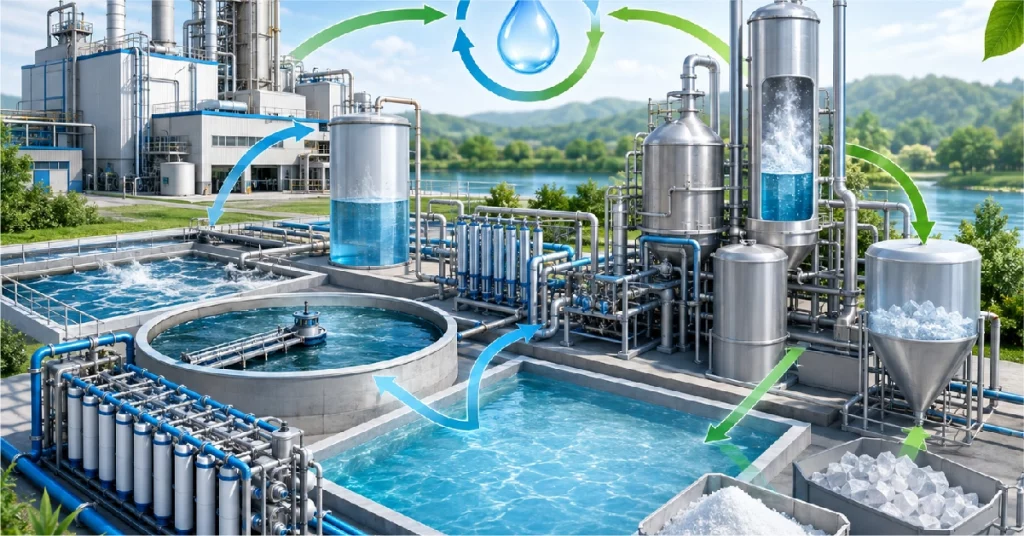
Modern wastewater treatment systems use multiple treatment stages to remove contaminants effectively.
Common processes include:
Primary Treatment
This stage removes large particles and suspended solids through screening and sedimentation.
Secondary Treatment
Biological treatment processes break down organic pollutants using microorganisms.
Tertiary Treatment
Advanced treatment removes remaining contaminants such as nutrients, dissolved solids, and microorganisms.
These processes help facilities achieve required discharge quality standards.
2. Industrial Wastewater Treatment Solutions
Industries generate wastewater with complex contaminants that require specialised treatment.
Industrial wastewater treatment systems are designed to handle wastewater from sectors such as:
Treatment solutions may include:
- Biological treatment
- Membrane filtration
- Chemical treatment
- Advanced oxidation
- Water recycling systems
Customised solutions help industries reduce pollutants and comply with environmental requirements.
3. Monitoring and Process Control
Continuous monitoring plays an important role in maintaining compliance.
Modern treatment systems use monitoring solutions to track:
- pH levels
- Flow rates
- Chemical parameters
- Effluent quality
- Treatment performance
Automated monitoring helps operators identify issues early and maintain consistent treatment efficiency.
4. Water Reuse and Recycling Solutions
Many organisations are adopting wastewater recycling to reduce freshwater consumption.
Advanced treatment technologies allow treated wastewater to be reused for:
- Industrial processes
- Cooling systems
- Irrigation
- Cleaning applications
- Utility operations
Water reuse supports sustainability goals while reducing environmental impact.
5. Sewage Treatment Plant Compliance
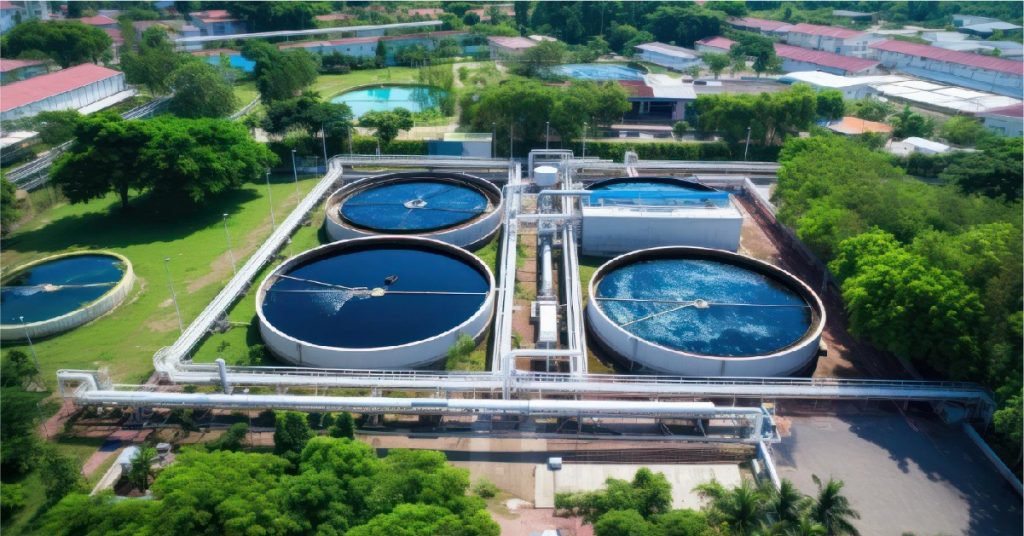
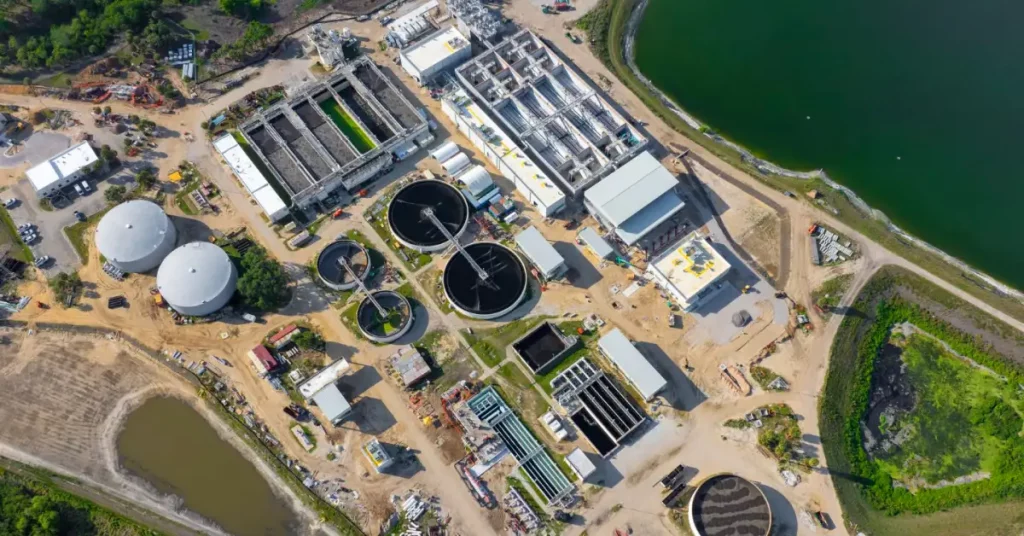
Municipalities and commercial developments rely on efficient sewage treatment plants to manage domestic wastewater.
Modern sewage treatment systems include:
- Biological treatment
- Filtration
- Disinfection
- Sludge management
- Automation
These systems ensure treated wastewater meets required quality standards before discharge or reuse.
Technologies Used by Wastewater Treatment Companies
Membrane Filtration
Membrane technologies such as RO, UF, and MBR provide high-quality treatment by removing suspended solids, microorganisms, and dissolved contaminants.
Biological Treatment
Biological processes use microorganisms to break down organic matter in wastewater.
Chemical Treatment
Chemical processes help control pH, remove contaminants, and improve clarification.
Disinfection
Disinfection methods such as UV and chlorination help reduce harmful microorganisms.
Benefits of Choosing the Right Wastewater Treatment Partner
A reliable wastewater treatment company helps organisations achieve:
- Regulatory compliance
- Improved wastewater quality
- Reduced environmental impact
- Higher water reuse potential
- Lower operational risks
- Better resource efficiency
The right technology selection ensures long-term treatment performance and cost-effective operations.
Factors to Consider When Selecting Wastewater Treatment Companies
Technical Expertise
The company should understand wastewater characteristics, industry requirements, and regulatory expectations.
Customised System Design
Treatment solutions should be designed according to:
- Wastewater composition
- Flow capacity
- Discharge standards
- Reuse requirements
Technology Capability
A capable provider should offer advanced solutions, including:
- Biological treatment systems
- Membrane technologies
- Industrial wastewater solutions
- Recycling systems
Long-Term Support
Operational success depends on:
- Preventive maintenance
- Performance monitoring
- Technical assistance
- Process optimisation
Ion Exchange Wastewater Treatment Solutions in the USA
Ion Exchange provides advanced wastewater treatment solutions for industrial, municipal, and commercial applications.
Its solutions include:
- Industrial wastewater treatment systems
- Sewage treatment plants
- Membrane-based treatment solutions
- Water recycling systems
- Advanced purification technologies
With expertise in water treatment engineering, process optimisation, automation, and lifecycle support, Ion Exchange helps industries achieve reliable wastewater management and meet regulatory requirements.
Its customised solutions support efficient wastewater treatment in USA operations by improving water quality, enabling reuse, and supporting sustainable water management.
Conclusion
Wastewater treatment companies in the USA play a vital role in helping industries and municipalities meet environmental regulations and protect water resources.
Through advanced treatment technologies, monitoring systems, and sustainable reuse solutions, modern wastewater treatment systems improve compliance and operational efficiency.
Selecting the right treatment partner ensures reliable performance, regulatory alignment, and long-term water management success.
Connect with Ion Exchange experts for customised wastewater treatment systems, industrial wastewater solutions, and sewage treatment plants designed for efficient and compliant water management in the USA.
FAQs
What do wastewater treatment companies do?
Wastewater treatment companies design, install, and manage systems that remove contaminants from wastewater and ensure safe discharge or reuse.
What are EPA water standards?
EPA water standards are regulatory requirements that define acceptable wastewater quality and discharge limits to protect the environment and public health.
Why is industrial wastewater treatment important?
Industrial wastewater treatment removes pollutants from manufacturing wastewater, helping industries meet regulations and improve water reuse.
How do sewage treatment plants meet compliance requirements?
Sewage treatment plants use biological treatment, filtration, disinfection, and monitoring systems to produce treated water that meets required standards.
Can treated wastewater be reused?
Yes. Advanced wastewater treatment systems allow treated water to be reused for industrial processes, irrigation, cooling, and other non-potable applications.