
Efficient wastewater management is critical for industries and municipalities in the USA to protect water resources, comply with regulations, and reduce operational costs. Two of the most common treatment solutions are Effluent Treatment Plants (ETP) and Sewage Treatment Plants (STP). Understanding their differences and applications helps businesses and facilities choose the right solution for their wastewater needs.
Both ETPs and STPs are designed to treat wastewater, but they differ in scope, composition, and intended use of treated water. Modern wastewater treatment systems may also integrate features for recycling, water reuse, and Zero Liquid Discharge (ZLD) processes.
What Is an ETP?
An Effluent Treatment Plant (ETP) is specifically designed to treat industrial wastewater containing chemicals, dyes, oils, heavy metals, and other pollutants.
Key characteristics:
- Handles high-strength industrial effluent
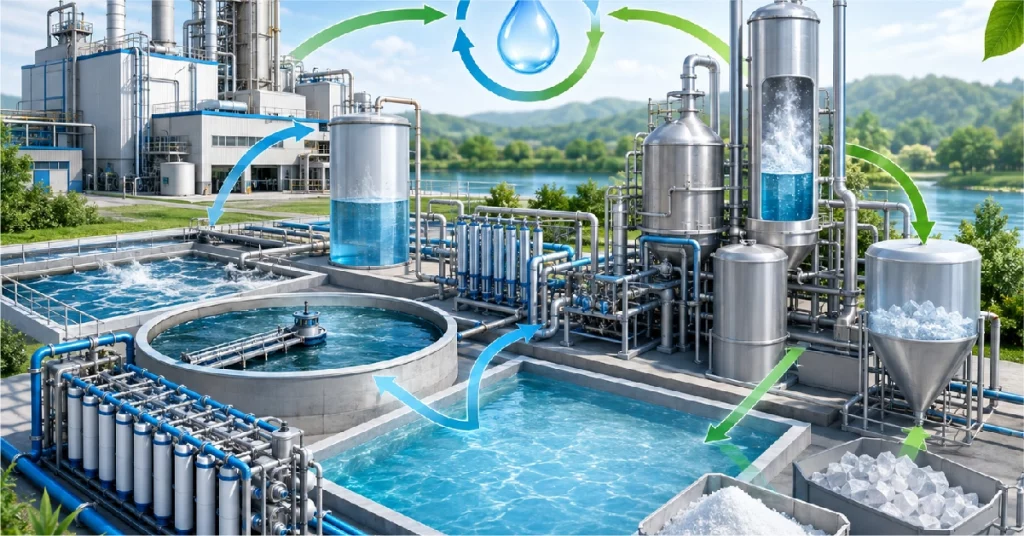
- Often includes neutralization pits, primary clarifiers, aeration tanks, and sand/chemical filtration
- Focuses on reducing Chemical Oxygen Demand (COD), Biological Oxygen Demand (BOD), and suspended solids before discharge or reuse
- Can be integrated with water recycling technologies to reuse treated effluent in industrial processes
ETPs are widely used in chemical, textile, pharmaceutical, and food processing industries, where wastewater characteristics are complex and require specialized treatment.
What Is an STP?
A Sewage Treatment Plant (STP) is designed to treat domestic or municipal wastewater, often originating from residential complexes, commercial facilities, or township developments.
Key characteristics:
- Treats sewage containing human waste, organic matter, and household chemicals
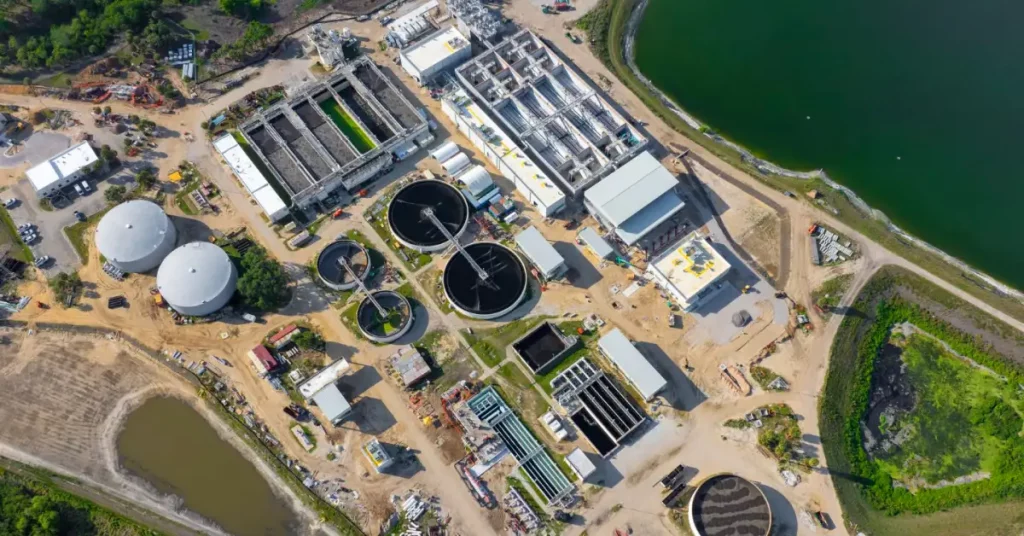
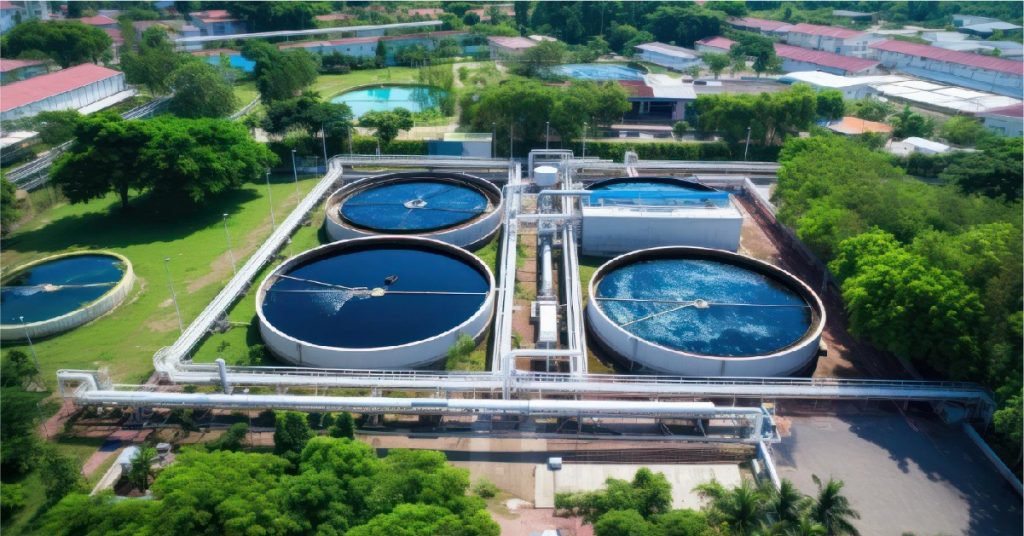
- Typically includes grit chambers, equalization tanks, biological reactors, and filtration units
- Produces treated water suitable for irrigation, flushing, or limited industrial reuse
- Can be scaled as a packaged STP system or modular unit for smaller facilities
STPs are ideal for campuses, housing complexes, hotels, and commercial establishments where wastewater is primarily domestic in nature.
ETP vs STP: Key Differences
| Feature | ETP (Effluent Treatment Plant) | STP (Sewage Treatment Plant) |
| Wastewater Type | Industrial / High-strength effluent | Domestic / Sewage |
| Pollutants Treated | Chemicals, dyes, heavy metals, oils | Organic matter, BOD, suspended solids |
| Treatment Complexity | Advanced chemical and biological processes | Biological treatment and filtration |
| Reuse Potential | High – can be integrated into industrial processes | Moderate – irrigation, flushing, limited industrial use |
| Regulatory Focus | Industrial discharge compliance | Municipal sewage standards |
Choosing Between ETP and STP
To determine whether your facility needs an ETP or STP, consider:
- Source of Wastewater – Industrial effluent vs domestic sewage
- Pollutant Load – Presence of chemicals, oils, heavy metals
- Volume and Flow Rate – Daily wastewater generation
- Reuse Requirements – Process reuse or limited non-potable applications
- Regulatory Standards – Compliance with EPA, CPCB, or local discharge regulations
- Space and Infrastructure – Availability for installation and integration
Many modern facilities integrate both systems for industrial complexes with combined domestic and process wastewater, often including recycling or ZLD capabilities.
Ion Exchange Solutions for ETP and STP Plants
Ion Exchange provides advanced industrial effluent and sewage treatment solutions tailored for diverse sectors. Solutions include:
- ETP plants for high-strength industrial effluent
- STP systems for domestic and municipal wastewater
- Modular and packaged sewage treatment plants
- Integration with water recycling, MBR, FMR, and ZLD systems
- Comprehensive design, installation, and lifecycle support
These solutions help industries and municipalities reduce freshwater demand, minimize wastewater discharge, achieve regulatory compliance, and optimize operational efficiency.
Conclusion
Understanding the differences between ETP and STP is essential for selecting the right wastewater treatment system for your facility. ETPs are best suited for complex industrial effluents, while STPs focus on domestic sewage treatment. Modern systems often combine advanced technologies for recycling, water reuse, and sustainability.
Connect with Ion Exchange experts to explore ETP and STP solutions tailored to your facility’s wastewater treatment, regulatory compliance, and water reuse needs.
FAQs
What is the difference between an ETP and an STP?
ETPs treat industrial wastewater with chemicals, oils, and heavy metals, while STPs treat domestic or municipal sewage with organic matter and BOD.
Can a facility have both ETP and STP systems?
Yes. Complex industrial complexes often integrate both systems to manage domestic and industrial wastewater streams efficiently.
What industries require an ETP plant?
Chemical, pharmaceutical, textile, food processing, and power industries commonly require ETP plants.
What applications are STP plants suited for?
STPs are used in residential complexes, commercial buildings, hotels, hospitals, and municipal sewage treatment projects.
How does Ion Exchange support ETP and STP implementation?
Ion Exchange provides customized effluent and sewage treatment plants, advanced technologies like MBR and FMR, water recycling solutions, and turnkey installation and support services.