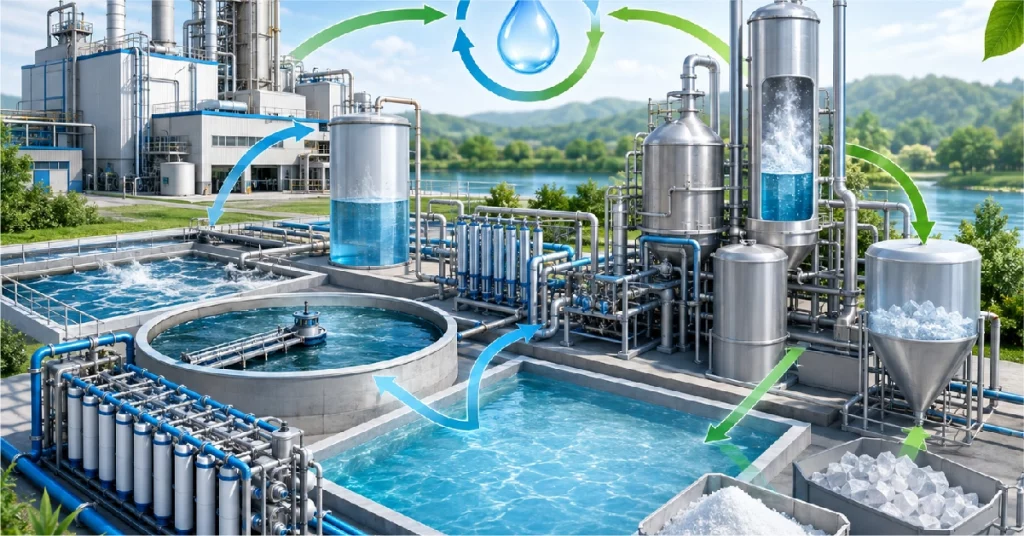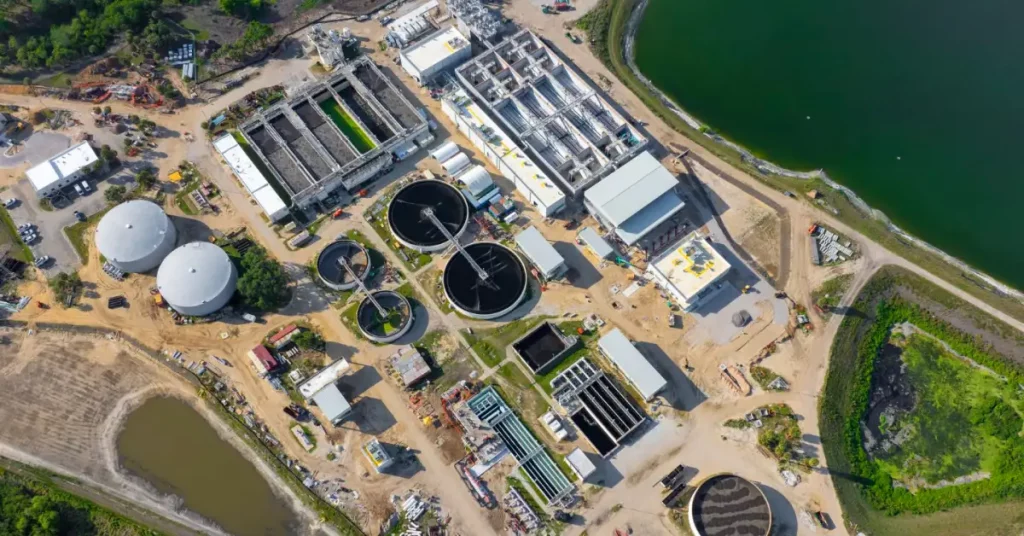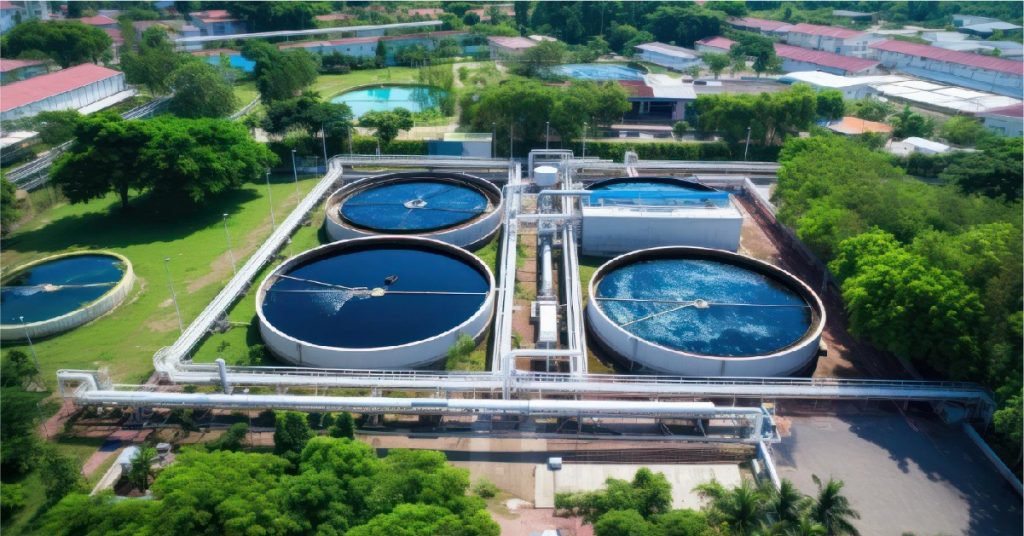

Industries across the USA rely heavily on water for manufacturing, cooling, heating, cleaning, processing, and utility operations. However, untreated water can cause serious operational issues such as scaling, corrosion, fouling, microbial growth, and equipment damage. Selecting the right water treatment chemicals is therefore essential for maintaining efficient and reliable industrial operations.
A proper water treatment chemical selection strategy helps industries improve water quality, protect equipment, reduce maintenance costs, and comply with environmental regulations. From boiler systems and cooling towers to wastewater treatment plants and process water systems, different industrial applications require specialized treatment programs.
This Water Treatment Chemical Guide explains the major types of industrial water treatment chemicals, their functions, and how industries can choose the most suitable solutions for their operations.
Why Water Treatment Chemical Selection Matters?
Industrial water systems operate under varying temperatures, pressures, and contamination levels.
Poor chemical selection may lead to:
- Scale formation
- Corrosion
- Biofouling
- Reduced heat transfer efficiency
- Increased energy consumption
- Equipment failure
- Poor water quality compliance
Effective industrial water treatment chemicals help optimize system performance while improving operational reliability and sustainability.
Understanding Industrial Water Quality Challenges
Different water sources contain different contaminants and impurities.
Common industrial water quality issues include:
- Hardness salts
- Dissolved oxygen
- Silica
- Suspended solids
- Organic contaminants
- Microbial growth
- High TDS levels
The choice of water treatment for industry depends on the specific water chemistry and treatment objectives.
Types of Water Treatment Chemicals
Modern water treatment programs use different chemicals for various operational purposes.
Scale Inhibitors
Scale inhibitors prevent mineral deposits from forming inside boilers, cooling towers, membranes, and pipelines.
These chemicals help:
- Improve heat transfer efficiency
- Reduce scaling
- Lower energy consumption
- Protect equipment surfaces
Scale control is critical in industrial cooling and boiler systems.
Corrosion Inhibitors
Corrosion inhibitors protect metal surfaces from oxygen-related and chemical corrosion.
Applications include:
- Boiler systems
- Cooling water systems
- Closed-loop water circuits
- Condensate systems
Effective corrosion control improves equipment lifespan and operational reliability.
Coagulants and Flocculants
These chemicals are widely used in wastewater treatment chemical selection programs.
They help:
- Remove suspended solids
- Improve sedimentation
- Enhance sludge separation
- Improve filtration efficiency
Coagulants and flocculants are essential in industrial and municipal wastewater treatment plants.
Biocides and Disinfectants
Biocides control microbial growth, algae, fungi, and biofilm formation in water systems.
These chemicals are commonly used in:
- Cooling towers
- Industrial water systems
- Wastewater treatment plants
- RO membrane systems
Microbial control improves hygiene and system efficiency.
pH Control Chemicals
Acids and alkalis are used to maintain proper pH balance in industrial water systems.
Proper pH control helps:
- Improve treatment efficiency
- Prevent corrosion
- Support biological treatment processes
- Stabilize chemical reactions
Antiscalants for Membrane Systems
Membrane systems such as reverse osmosis require specialized antiscalants to prevent scaling and membrane fouling.
Benefits include:
- Improved membrane performance
- Reduced cleaning frequency
- Extended membrane lifespan
- Better water recovery rates
These chemicals are important in advanced water treatment systems.
How to Choose Water Treatment Chemicals?
Selecting the right treatment program requires careful evaluation of operational conditions and water quality.
Analyze Water Quality
Water analysis helps identify:
- Hardness levels
- TDS concentration
- pH conditions
- Organic contamination
- Microbial activity
- Corrosive elements
Understanding water chemistry is the first step in water treatment chemical selection.
Identify System Requirements
Different systems require different treatment approaches.
Boilers
Require scale inhibitors, oxygen scavengers, and corrosion inhibitors for process water protection.
Cooling Towers
Require biocides, corrosion inhibitors, and dispersants.
Wastewater Treatment Plants
Use coagulants, flocculants, and pH correction chemicals.
Reverse Osmosis Systems
Need antiscalants and membrane cleaning chemicals.
Treatment selection should align with operational goals and system design.
Consider Regulatory Compliance
Industries in the USA must comply with environmental and water discharge regulations.
Proper wastewater treatment chemical selection helps industries:
- Meet EPA compliance standards
- Reduce environmental impact
- Improve sustainability performance
- Avoid operational penalties
Compliance-focused chemical programs support responsible industrial operations.
Evaluate Chemical Compatibility
Treatment chemicals should be compatible with:
- System materials
- Membranes and equipment
- Operating temperatures
- Existing treatment programs
Incompatible chemicals may damage equipment or reduce treatment effectiveness.
Focus on Operational Efficiency
Modern industrial water treatment chemicals are designed to:
- Reduce water consumption
- Improve energy efficiency
- Minimize downtime
- Optimize chemical usage
- Support water recycling initiatives
Efficient chemical programs improve both operational and environmental performance.
Industrial Applications of Water Treatment Chemicals
Power Plants
Require boiler and cooling water treatment programs.
Manufacturing Facilities
Use process water treatment and wastewater management systems.
Food & Beverage Industry
Need hygienic and food-safe treatment solutions.
Pharmaceutical Industry
Require high-purity water treatment systems.
Oil & Gas Industry
Use specialized treatment programs for cooling, process, and produced water systems.
Importance of Automated Chemical Dosing Systems
Modern treatment systems increasingly use automated dosing technologies for improved accuracy and efficiency.
Benefits include:
- Precise chemical dosing
- Reduced manual handling
- Real-time monitoring
- Optimized chemical consumption
- Improved treatment consistency
Automation improves operational control and treatment performance.
Ion Exchange Industrial Water Treatment Solutions
Ion Exchange provides advanced industrial water treatment chemicals and integrated treatment solutions for industries across the globe.
Their offerings include:
- Boiler water treatment chemicals
- Cooling water treatment programs
- Wastewater treatment chemicals
- Membrane treatment chemicals
- Chemical dosing systems
- Integrated water treatment solutions
Using advanced chemistry and technical expertise, Ion Exchange helps industries optimize water treatment efficiency and operational reliability.
Conclusion
Choosing the right industrial water treatment chemicals is essential for maintaining efficient operations, protecting equipment, and ensuring environmental compliance. From scale inhibitors and corrosion inhibitors to wastewater treatment chemicals and membrane antiscalants, every treatment program should be tailored to the specific water quality and operational requirements of the facility.
As industries in the USA continue focusing on sustainability and operational efficiency, advanced water treatment chemical selection strategies will remain critical for long-term industrial performance and responsible water management.
FAQs
1. Why is water treatment chemical selection important?
Proper chemical selection helps prevent scaling, corrosion, fouling, and operational inefficiencies in industrial water systems.
2. What are the main types of industrial water treatment chemicals?
Common types include scale inhibitors, corrosion inhibitors, biocides, coagulants, flocculants, and pH control chemicals.
3. How do industries choose water treatment chemicals?
Chemical selection depends on water quality, system type, operating conditions, and regulatory requirements.
4. What chemicals are used in wastewater treatment plants?
Wastewater treatment commonly uses coagulants, flocculants, disinfectants, and pH correction chemicals.
5. How does Ion Exchange support industrial water treatment applications?
Ion Exchange provides advanced water treatment chemicals, dosing systems, and integrated industrial water treatment solutions.