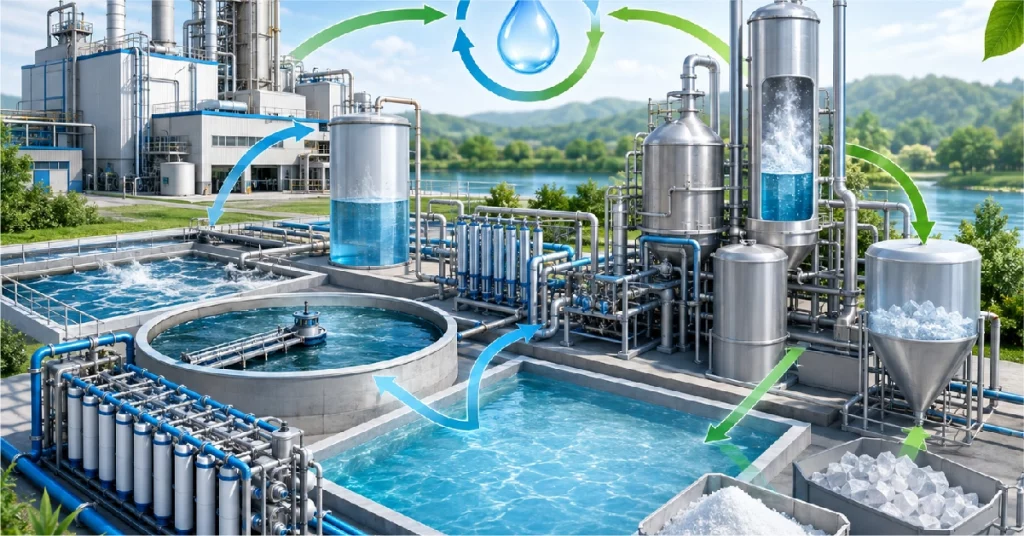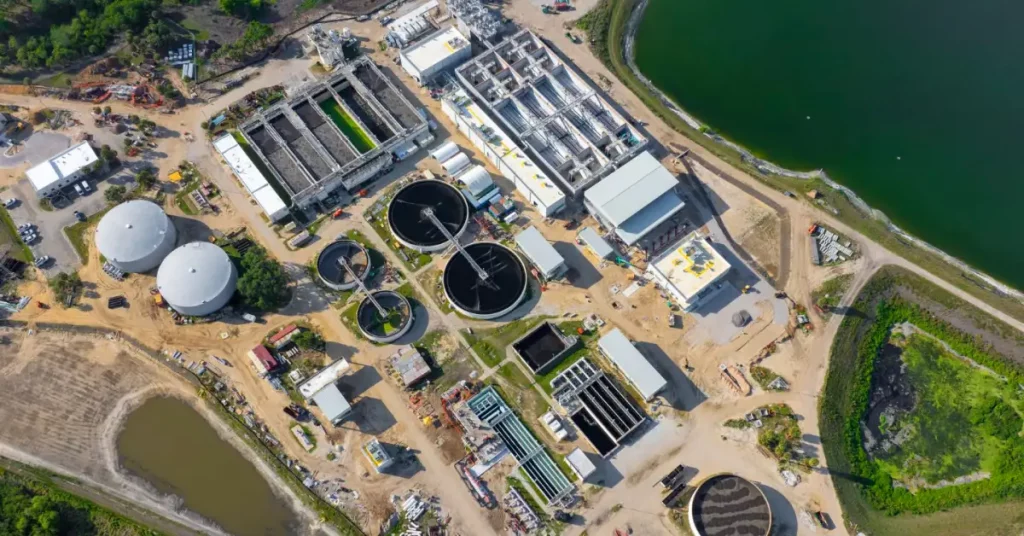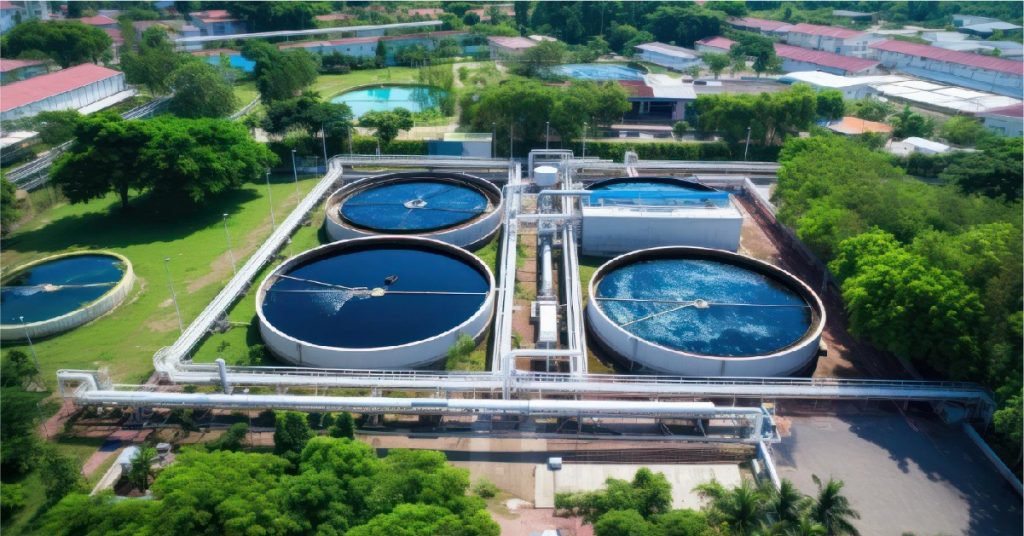

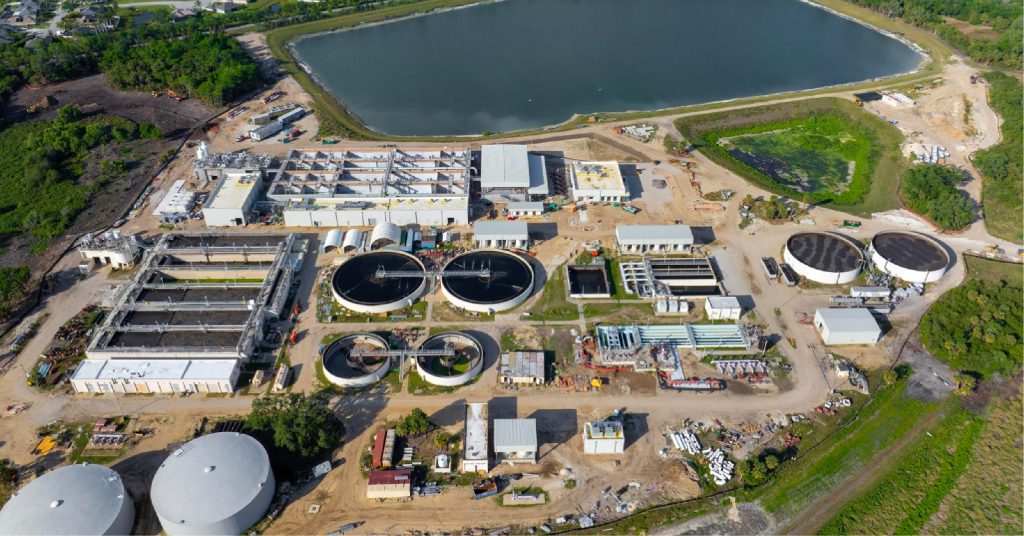
Industrial growth across the USA has led to increasing volumes of Industrial Wastewater Treatment requirements across sectors such as chemicals, pharmaceuticals, food processing, textiles, and manufacturing. Managing this wastewater effectively is essential for environmental protection, regulatory compliance, and sustainable operations.
Effluent Treatment Plants (ETPs) are designed to treat industrial wastewater by removing contaminants before discharge or reuse. With advancements in Wastewater Treatment technologies, industries now have access to multiple Types of ETP Plants tailored to specific wastewater characteristics and operational needs.
Importance of Effluent Treatment Plants
Industrial wastewater contains a wide range of pollutants, including:
- Organic matter
- Suspended solids
- Chemicals and toxins
- Oils and grease
- Heavy metals
Without proper treatment, these pollutants can harm ecosystems and violate environmental regulations. Effluent treatment plants help industries reduce pollution, improve water quality, and support water reuse.
Types of Effluent Treatment Plants
Different industries require different treatment approaches depending on the nature of wastewater. Below are the major Types of ETP Plants used in industrial wastewater management.
1. Activated Sludge Process (ASP)
The activated sludge process is one of the most widely used biological treatment methods in Wastewater Treatment.
It uses microorganisms in aerated tanks to break down organic pollutants.
Key features:
- Effective for high organic load wastewater
- Reduces BOD and COD significantly
- Suitable for large-scale industries
- Requires proper aeration and sludge handling
ASP is commonly used in industries with biodegradable wastewater.
2. Moving Bed Biofilm Reactor (MBBR)
The MBBR process uses biofilm carriers suspended in aeration tanks to treat wastewater.
Key advantages:
- High treatment efficiency
- Compact design
- Low sludge production
- Flexible operation
MBBR is widely used in modern Industrial Wastewater Treatment plants due to its efficiency and scalability.
3. Sequential Batch Reactor (SBR)
SBR systems treat wastewater in batches rather than continuous flow.
Process stages include:
- Filling
- Aeration
- Settling
- Decanting
Benefits include:
- High efficiency in pollutant removal
- Space-saving design
- Flexible operation
SBR is suitable for industries with variable wastewater flow.
4. Membrane Bioreactor (MBR)
MBR combines biological treatment with membrane filtration.
Key features:
- High-quality treated water
- Compact plant size
- Effective removal of suspended solids
- Suitable for water reuse
MBR is commonly used in advanced effluent treatment plants and recycling systems.
5. Physico-Chemical Treatment Plants
These ETPs use chemical processes to remove pollutants.
Common processes include:
- Coagulation and flocculation
- Neutralization
- Chemical precipitation
- Oil and grease removal
These plants are effective for treating wastewater with heavy metals, chemicals, and non-biodegradable pollutants.
6. Food Processing and Beverage Industry ETPs
The Food Processing and Beverage Industry ETPs are specifically designed to treat wastewater containing high organic content, oils, fats, and suspended solids.
Typical treatment includes:
- Primary screening and clarification
- Biological treatment (ASP or MBBR)
- Secondary clarification
- Advanced filtration
These systems help reduce organic load and enable safe discharge or reuse.
7. Zero Liquid Discharge (ZLD) Based ETPs
ZLD systems ensure that no liquid waste is discharged from the plant.
They combine:
- Biological treatment
- Membrane filtration
- Evaporation and crystallization
ZLD is widely used in industries requiring complete Wastewater Treatment and reuse.
Choosing the Right ETP for Industrial Wastewater
Selecting the appropriate effluent treatment plant depends on:
- Type of industry
- Nature of wastewater
- Volume of effluent
- Regulatory requirements
- Reuse requirements
A customized approach ensures efficient treatment and cost optimization.
Benefits of Advanced Effluent Treatment Plants
Modern Industrial Wastewater Treatment systems offer several benefits:
- Compliance with environmental regulations
- Reduction in pollution
- Water recycling and reuse
- Improved operational efficiency
- Reduced environmental impact
- Long-term cost savings
Advanced ETPs help industries operate sustainably while maintaining productivity.
INDION ETP by Ion Exchange: Efficient and Compact Effluent Treatment Plant
The INDION Rice Mill Effluent Treatment Plant (ETP) is a compact, efficient solution designed by Ion Exchange to manage effluent from rice mills across a wide range of capacities—25 to 250 KLD—while withstanding shock loads of up to 20%. This effluent treatment plant begins with flow equalization, ensuring consistent inlet conditions. The effluent is then processed through primary treatment to remove suspended and floatable solids, followed by biological treatment for organic matter reduction. The ETP concludes with tertiary polishing via chlorination and filtration, producing high-quality treated effluent. It minimizes chemical usage and maintenance needs, generates low volumes of sludge, and significantly reduces energy consumption and operational costs. The system is ideal for easy up-gradation and integration with existing wastewater infrastructure.
Conclusion
With increasing environmental regulations and industrial expansion, selecting the right Types of ETP Plants is essential for effective Industrial Wastewater Treatment in the USA. Technologies such as activated sludge, MBBR, MBR, and ZLD systems provide efficient solutions for treating complex wastewater streams.
By implementing advanced effluent treatment plants, industries can reduce pollution, optimize water usage, and support sustainable growth.
FAQs
- What are effluent treatment plants used for?
Effluent treatment plants are used to treat industrial wastewater by removing contaminants before discharge or reuse. - What are the main types of ETP plants?
Common types include activated sludge, MBBR, SBR, MBR, physico-chemical systems, and ZLD-based treatment plants. - How does the activated sludge process work?
It uses microorganisms in aerated tanks to break down organic pollutants and reduce BOD and COD levels. - What is MBBR technology in wastewater treatment?
MBBR uses biofilm carriers in aeration tanks to enhance biological treatment efficiency and reduce footprint. - How does Ion Exchange support industrial wastewater treatment?
Ion Exchange provides customized effluent treatment plants using advanced technologies like ASP, MBBR, MBR, and ZLD systems for efficient wastewater management.